
Securing Your Future with Cyber Security
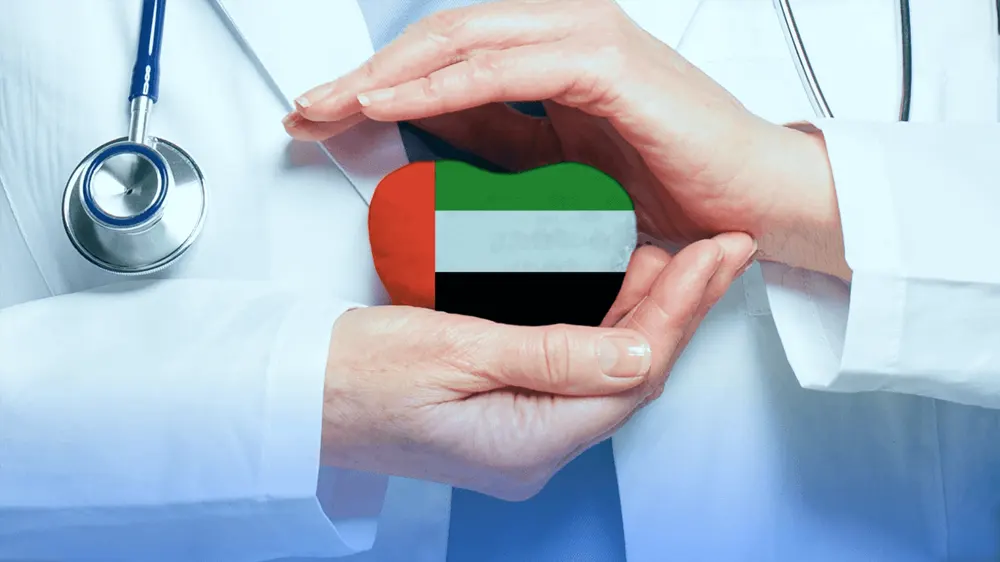
Health insurance plays an important role in the healthcare system of Dubai. Medical treatment can be expensive, and health insurance helps people manage these costs. It allows residents to receive proper medical care without worrying about large financial burdens. Dubai has clear regulations that make health insurance essential for everyone living and working in the emirate. Understanding how health insurance works can help you make better decisions about your health and financial security.
What Is Health Insurance?
Health insurance is an agreement between you and an insurance company. You pay a fixed amount of money, known as a premium, and the insurance company covers part or all of your medical expenses when you need treatment. This system protects you from paying large medical bills on your own. For example, if you visit a doctor or need hospital treatment, your insurance provider pays most of the cost. You only pay a small portion, depending on your policy. This makes healthcare more affordable and accessible. Health insurance covers many medical services. These include doctor consultations, hospital stays, diagnostic tests, emergency care, and prescribed medicines. Some plans also cover preventive services and health check-ups.
Why Is Health Insurance Mandatory in Dubai?
The government of Dubai made health insurance mandatory to ensure that everyone has access to proper healthcare. The Dubai Health Authority introduced this rule to improve public health and protect residents from high medical costs. Employers must provide health insurance to their employees. Sponsors must also provide insurance for their dependents, including spouses and children. This rule ensures that every resident has basic healthcare coverage. Without valid health insurance, residents may face problems with visa approval or renewal. This makes health insurance both a legal and practical requirement.
How Health Insurance Works in Dubai?
Health insurance in Dubai follows a simple process. Once you enroll in a plan, you receive an insurance card. This card allows you to access medical services at approved hospitals and clinics. When you visit a healthcare provider, you show your insurance card. The hospital checks your coverage and provides treatment. The insurance company pays the approved amount directly to the hospital. This process reduces your financial responsibility. Sometimes you pay a small fee called a co-payment. This amount depends on your insurance plan. The insurance company covers the remaining cost. This system allows people to receive treatment quickly. It also reduces financial stress during medical situations.
What Is Health Insurance?
Health insurance is an agreement between you and an insurance company. You pay a fixed amount of money, known as a premium, and the insurance company covers part or all of your medical expenses when you need treatment. This system protects you from paying large medical bills on your own. For example, if you visit a doctor or need hospital treatment, your insurance provider pays most of the cost. You only pay a small portion, depending on your policy. This makes healthcare more affordable and accessible. Health insurance covers many medical services. These include doctor consultations, hospital stays, diagnostic tests, emergency care, and prescribed medicines. Some plans also cover preventive services and health check-ups.
Understanding Network Providers
Insurance companies work with specific hospitals and clinics. These facilities form the insurance network. You receive maximum benefits when you visit a network provider. Network providers accept your insurance card and offer cashless treatment. You do not need to pay the full cost upfront. The insurance company settles the bill directly. If you visit a provider outside the network, you may need to pay first and request reimbursement later. This process can take more time. Most people prefer network providers because they offer convenience and faster service.
Types of Health Insurance Plans in Dubai
Dubai offers different types of health insurance plans. Each plan provides different levels of coverage. Individual health insurance covers one person. Self-employed individuals and freelancers often choose this option. Family health insurance covers multiple family members under one policy. This plan offers convenience and cost savings. Employers provide group health insurance to their employees. This plan usually includes basic coverage. Some employers offer comprehensive coverage with additional benefits. Basic health insurance plans provide essential coverage. Comprehensive plans offer wider coverage and more healthcare options. These plans often include specialist consultations and advanced treatments.
What Health Insurance Covers
Health insurance covers many essential medical services. It allows patients to visit doctors, receive treatment, and undergo medical tests without paying the full cost. Most plans cover general doctor visits and specialist consultations. They also cover hospital stays, surgeries, and emergency treatment. Diagnostic services such as blood tests, X-rays, and scans also fall under coverage when doctors prescribe them. Some plans cover maternity services, preventive check-ups, and wellness programs. Coverage depends on the insurance provider and plan type. This coverage ensures that residents receive timely and proper medical care.
Key Terms You Should Understand
You should understand basic health insurance terms before using your policy. These terms explain how your insurance works. The premium is the amount you pay for insurance coverage. You pay it monthly or yearly. The deductible is the amount you pay before insurance coverage begins. The co-payment is the small portion you pay when you receive treatment. The insurance company pays the remaining cost.
Benefits of Health Insurance in Dubai
Health insurance provides many important benefits. It protects you from unexpected medical expenses. Healthcare costs can rise quickly, especially during emergencies. Insurance reduces this financial burden. Health insurance also improves access to quality healthcare. Residents can visit experienced doctors and modern medical facilities. This improves health outcomes and ensures proper treatment. Insurance also supports preventive healthcare. People can undergo regular check-ups and diagnostic tests. Early detection helps prevent serious health problems. Health insurance also provides peace of mind. You know that financial support exists when medical needs arise.
Role of Health Insurance in Diagnostic and Preventive Care
Diagnostic services play a key role in modern healthcare. Doctors use tests to identify diseases and monitor health conditions. Health insurance covers many diagnostic services when doctors recommend them. Early diagnosis allows doctors to begin treatment quickly. This improves recovery and prevents complications. Preventive healthcare also helps people stay healthy and avoid serious illnesses. Health insurance encourages people to seek medical care without delay. Choosing the Right Health Insurance Plan You should choose a health insurance plan that meets your needs. You should consider coverage, network providers, and premium costs. A good plan provides the right balance between affordability and protection. You should also review the list of covered services. You should ensure that the plan includes hospitals and clinics near your location.
Conclusion
Understanding how health insurance works helps you use your coverage effectively. It also helps you choose the right plan for your needs. With proper health insurance, you can protect your health, your finances, and your future in Dubai. So, if you are searching for the best health insurance plan for you, no need to go anywhere else because you have already come to the right place.
Call now